I notice what people have accepted as normal — then work out what should exist instead.
I pay attention to what people say, what they actually do, and the small workarounds they've stopped mentioning. When one of those keeps bothering me, I want to know why it exists, and then whether I can build something better.
Nearly four years on a MECCA counter taught me that the first answer someone gives is rarely the real need. VESSEL, OFFLINE and Relay are what happened when I followed three of those questions past the conversation they started in.
The gap between what someone asks for and what they actually need is usually where the work is.
Most useful problems are already visible. People have just stopped mentioning them, because the workaround got absorbed into the routine years ago. I start by noticing the workaround, then asking enough people to know whether it's a real pattern or just one person having a bad week.
After that it gets ordinary. Look at what already exists. Decide where the thing should sit. Build it far enough that someone can judge it on evidence instead of on how well I described it. I taught myself manufacturing specification, supplier sourcing and margin modelling from zero, because each one was standing between me and an answer I wanted.
AI is a big part of why that's possible at this speed. It shortens the distance between hitting something I don't know and being able to test it. The observation, the decisions, the taste and the checking are still mine, and I'd rather find out I'm wrong early than be persuasive about it later.
Four years of people telling me what they wanted while I worked out what they needed.
On the counter, all day, every shift. That kind of repeated contact teaches you how to ask a question that gets an honest answer, how to earn enough trust in a few minutes for a recommendation to land, and how to spot the same behaviour turning up across hundreds of different people. One customer came back with flowers after a fitting; Jo Horgan later used it internally as an example of the effort on the floor. I'm including it because it's the clearest evidence I have that the care was noticed by someone other than me.
Frontline retail, not a research role. The pattern-spotting is real; the job title was not researcher.
What I have built.
A travel skincare system built around the routine people already trust.

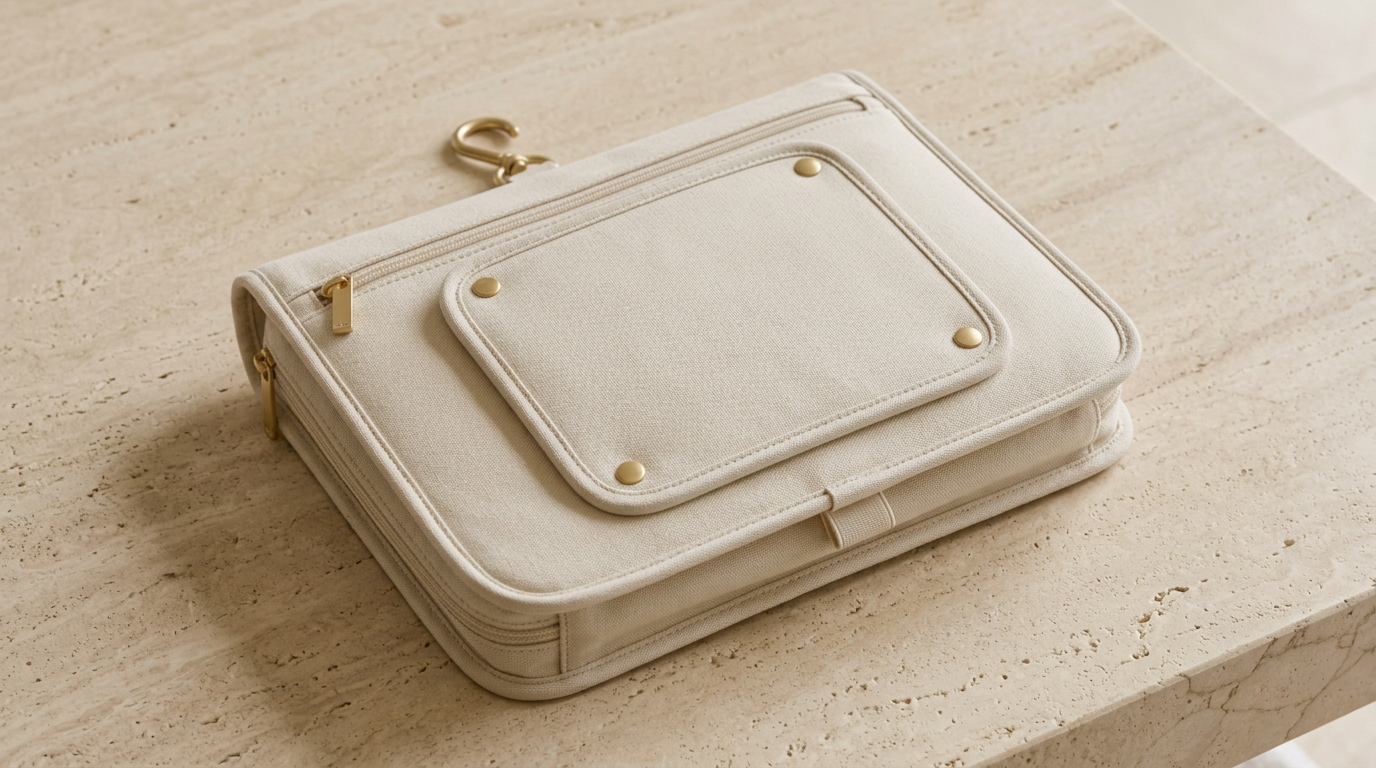
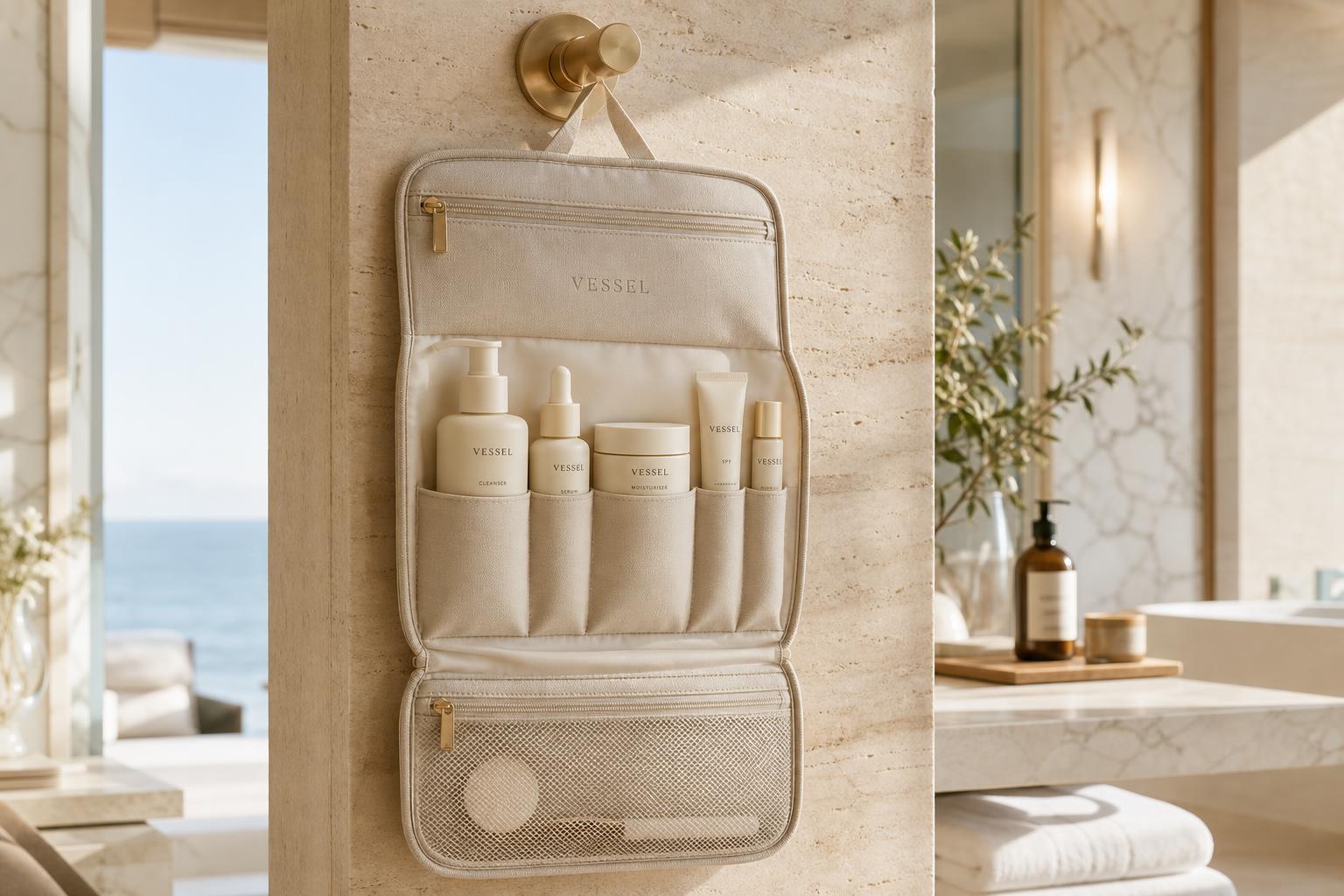
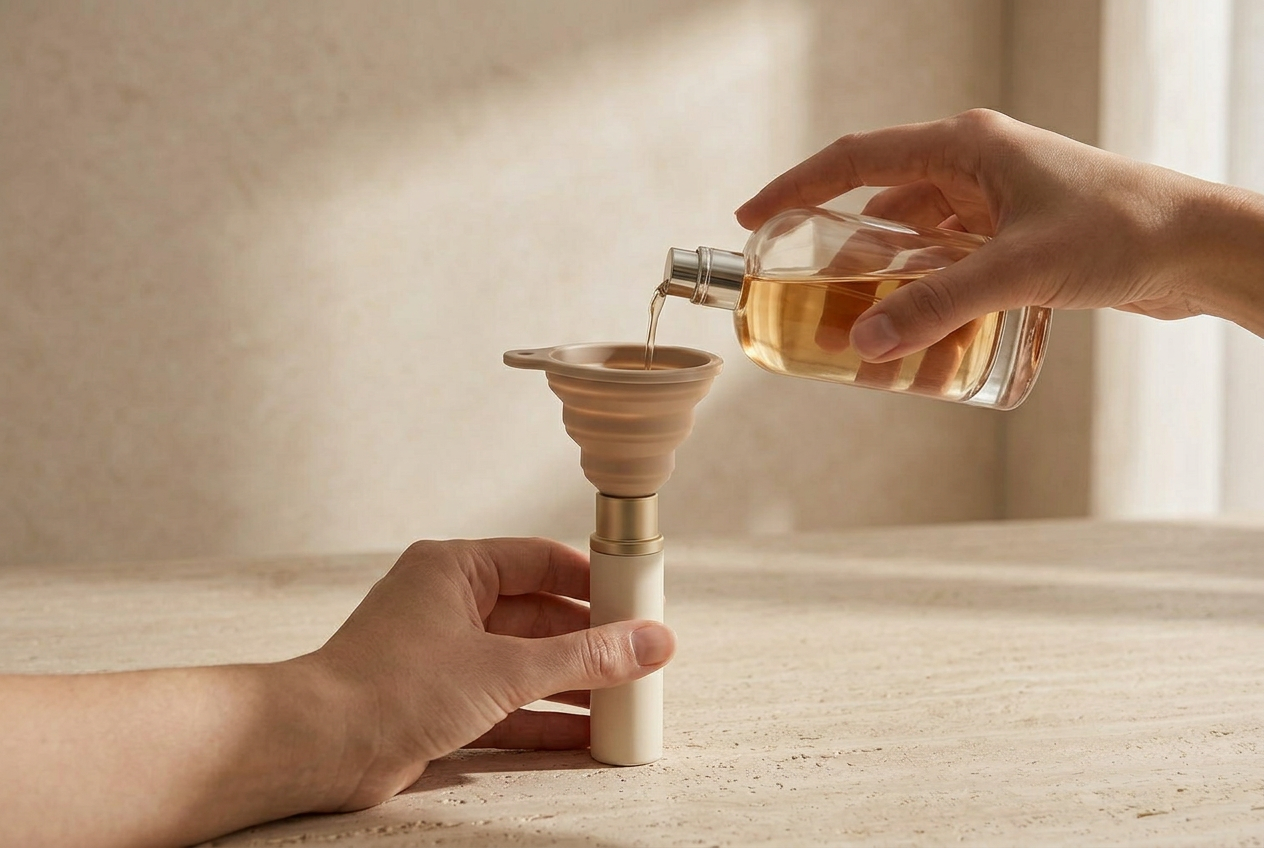
VESSEL is a hanging travel case for skincare. The idea is simple: instead of forcing a routine into three identical plastic bottles, it keeps each product in the format it's meant to be used in. A pump stays a pump. A dropper stays a dropper. There's a jar for moisturiser, a tube for SPF or a treatment, and an atomiser for fragrance, plus the decanting tools to fill them without making a mess of a bathroom bench.
It's for people who travel often enough that their skin notices when the routine breaks, and who have quietly given up on the travel section of the chemist. I started it because I watched two customers hit the same wall eight minutes apart, and then went looking to see whether it was a pattern.
One purchase. Five formats, each matched to a step in a real routine, in a bag that hangs.
- 01Signal
Two customers at the counter, eight minutes apart
- 02Research
Open questions to an unprompted audience
- 03Positioning
Ten competitors scored, price set at $149
- 04Specification
36 pages, pockets to ±1 mm, v7.0
- 05Manufacturer
Screened and negotiated in Fujian, second lane opened
- 06Sample
Measured against spec, non-conformance recorded
- 07Economics
$62.45 contribution per order, modelled and corrected
Two customers, eight minutes apart.
Wanted her SPF for a trip. It came as a dropper serum. She would not swap to a cream and would not decant into a bottle she did not trust. She left without buying anything.
His $80 cleanser was taken off him at security in Europe. He had bought the full size because the travel size did not exist in that line.
- Pump stays a pump.
- Dropper stays a dropper.
- Spray stays a spray.
I did not want to trust one counter's worth of conversations.
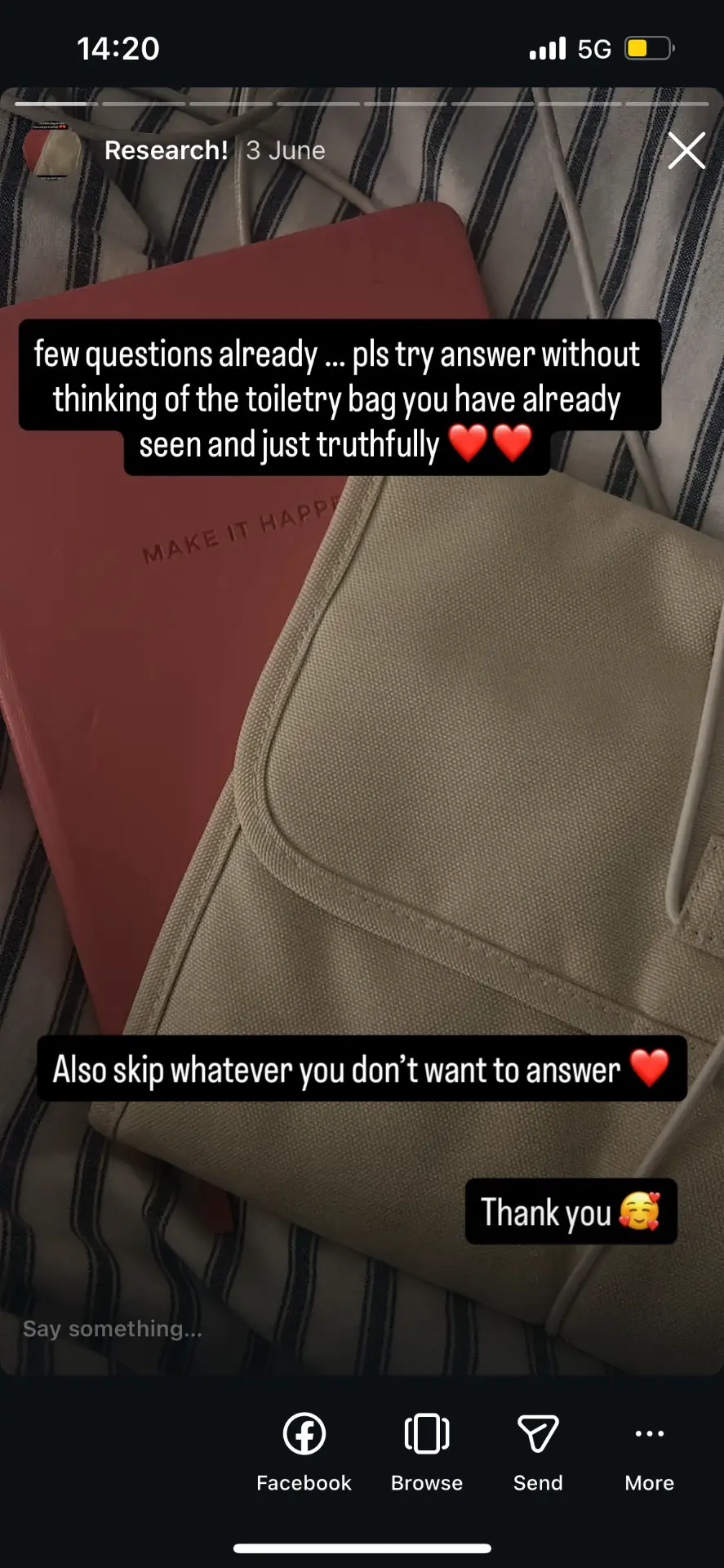
Qualitative research on Instagram · open questions, unprompted answers
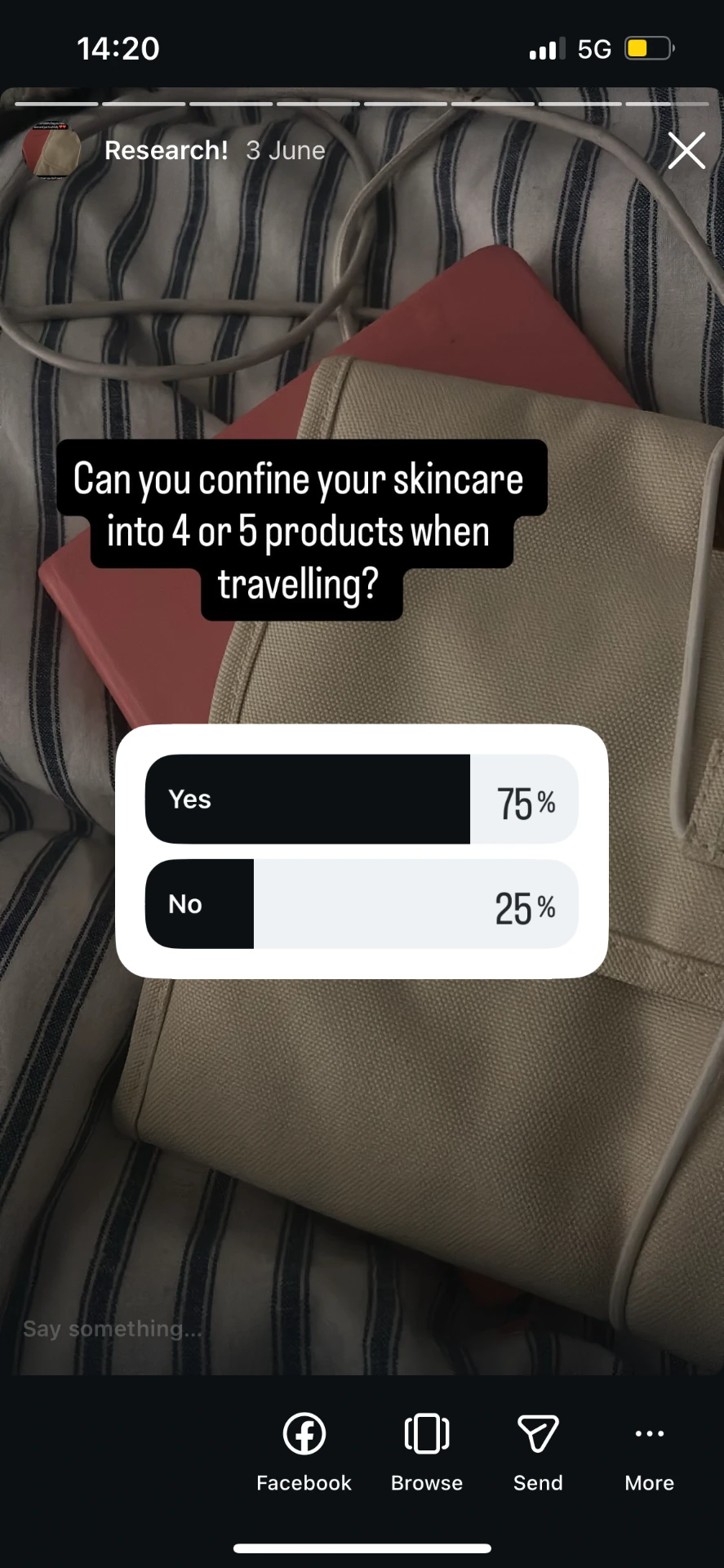
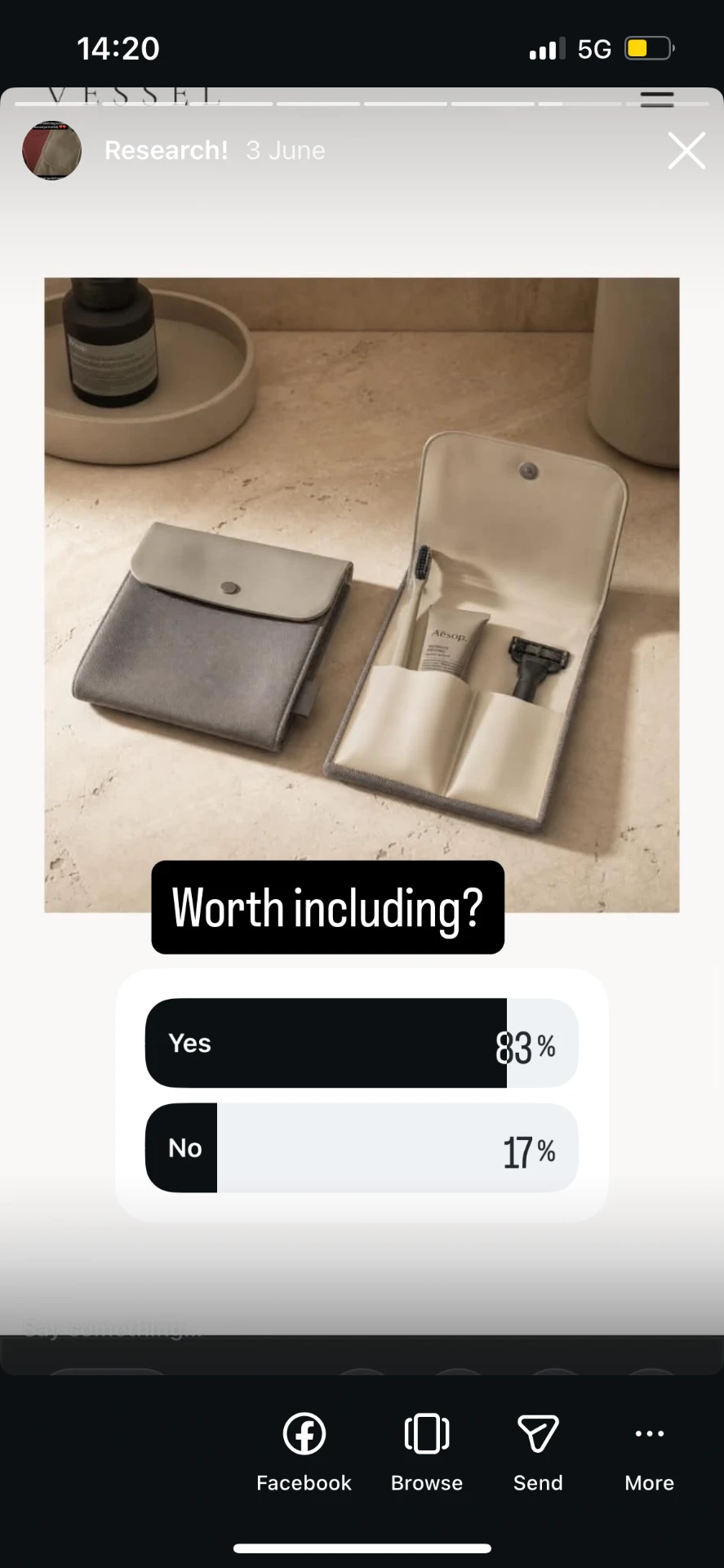
“I just buy toothpaste when I get there.” And the toothbrush and razor are still being used on the morning you leave.
Hygiene items were being kept deliberately away from skincare. Wet bristles and a used blade next to a decanted serum is a contamination problem, not a packing problem.
A detachable waterproof pouch with two channels, sealed for transit, riding in a sleeve on the back panel and coming off in one pull so it can sit on the vanity while the bag hangs.
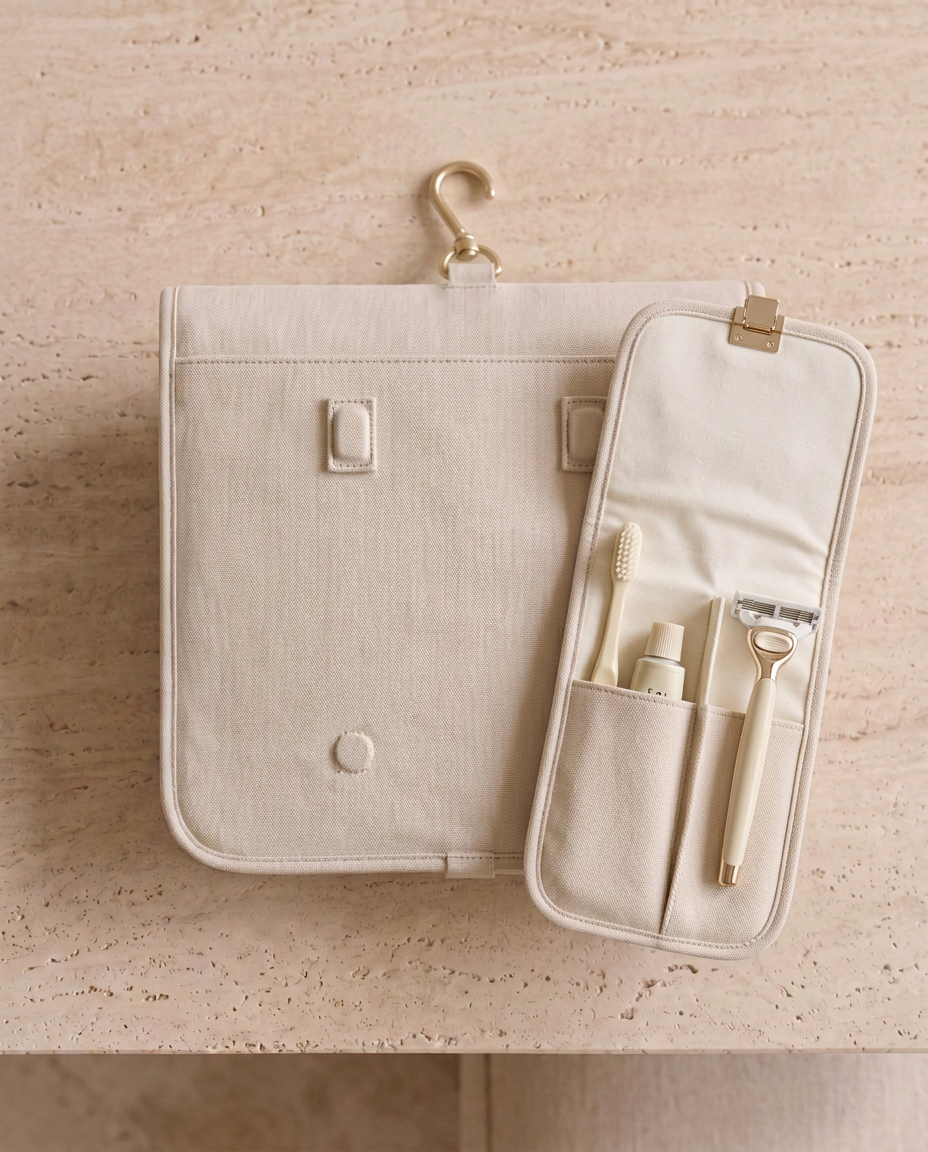
Five structural changes between v2 and v3 of the amendment.
Ten competitors. The gap wasn't another hanging bag.
- Nobody occupies the top right. The quiet, premium brands sell loose pieces. The system brands sell loudly.
- Hanging is not the differentiator — four cheaper competitors already hang. Leading with the hook puts VESSEL in a price fight it loses.
- Cuyana is the real shopping competitor: same buyer, same restraint, no system.
Founder assessment against defined criteria, scored against live product pages, June 2026. Not independent market research.
Five pillars, ten competitors.
Hanging form · exact-width pockets · container bundle · premium material · price posture
Remove the container bundle and the score drops to four pillars, at which point Cuyana closes most of the gap on a premium buyer. The bundle is not a nice-to-have.
Founder assessment against defined criteria, scored against live product pages, June 2026. Not independent market research.
The price ladder, and where $149 lands.
AUD, converted at 1.55, verified against live brand sites May–June 2026. The Cadence figure is the cost of assembling comparable functionality, not one product.
$129 with add-ons modelled better. It was rejected anyway.
Better on the metric. Containers become accessories, which is the position four cheaper competitors already hold.
Nothing sold separately. The system claim survives contact with the product page.
Decision → $149
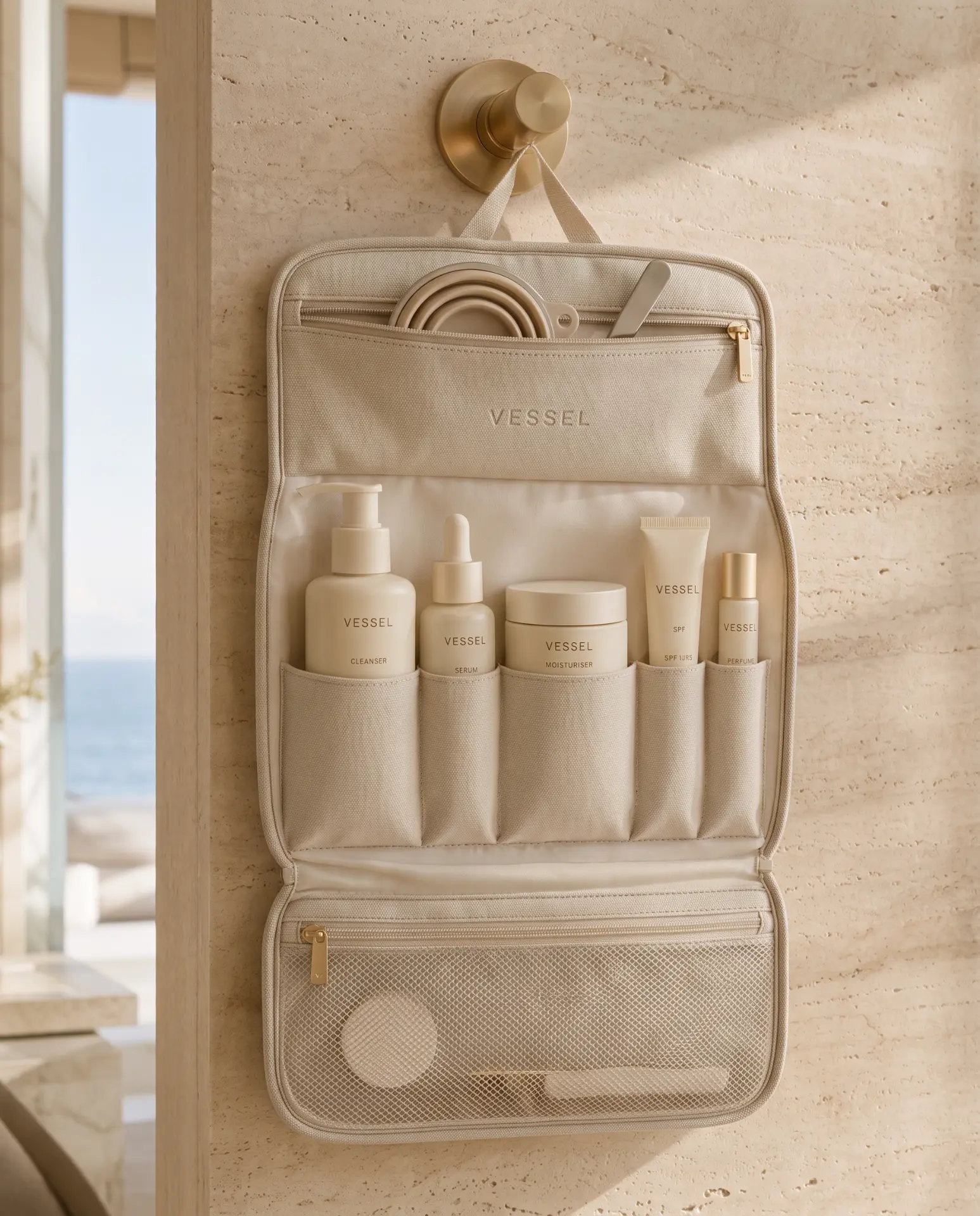
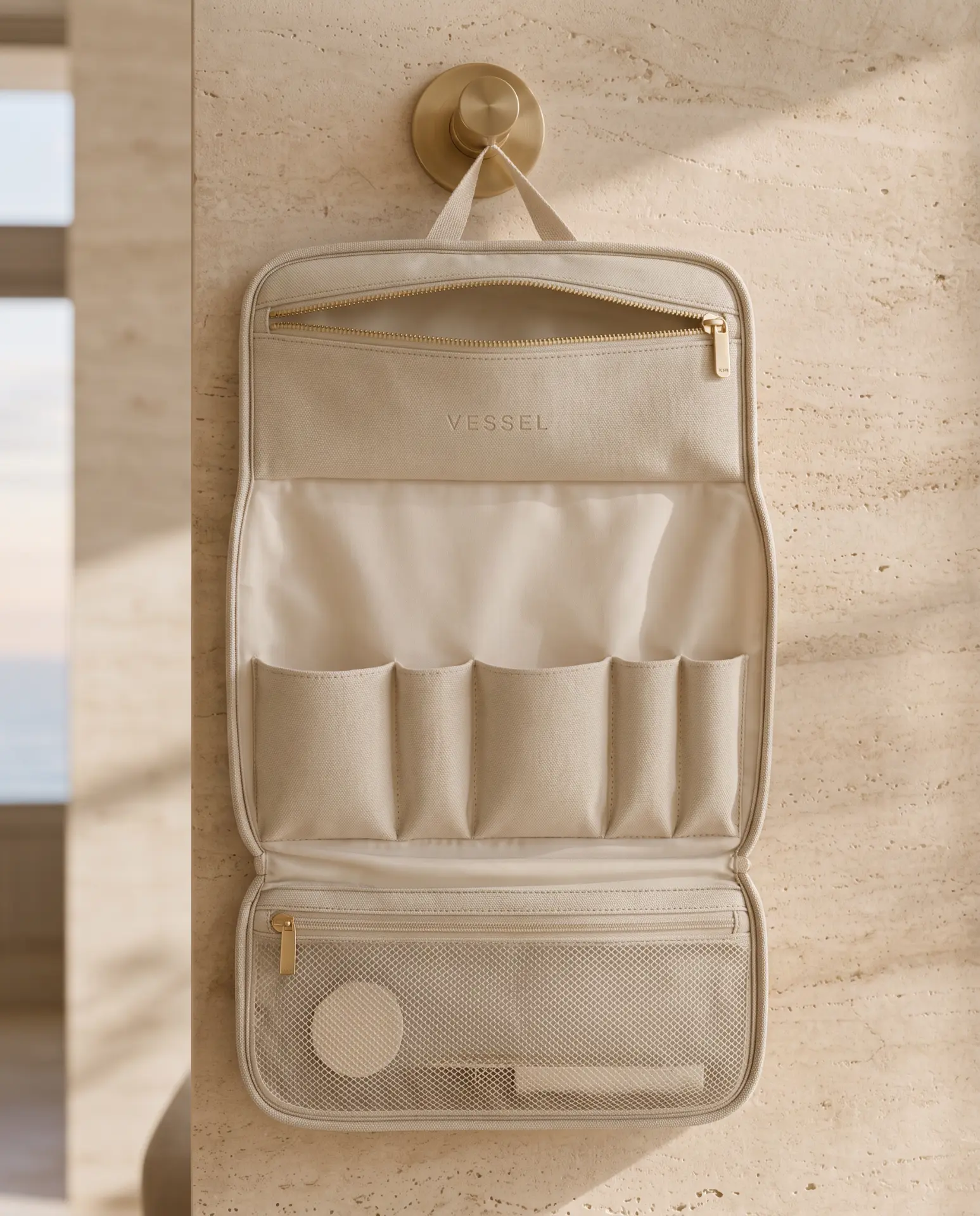
An image isn't enough for a factory.
- Render→
- Specification→
- Factory→
- Physical sample
A render is a wish. A specification is a contract. These are the locked dimensions a factory in Fujian is building to, at version 7.0.
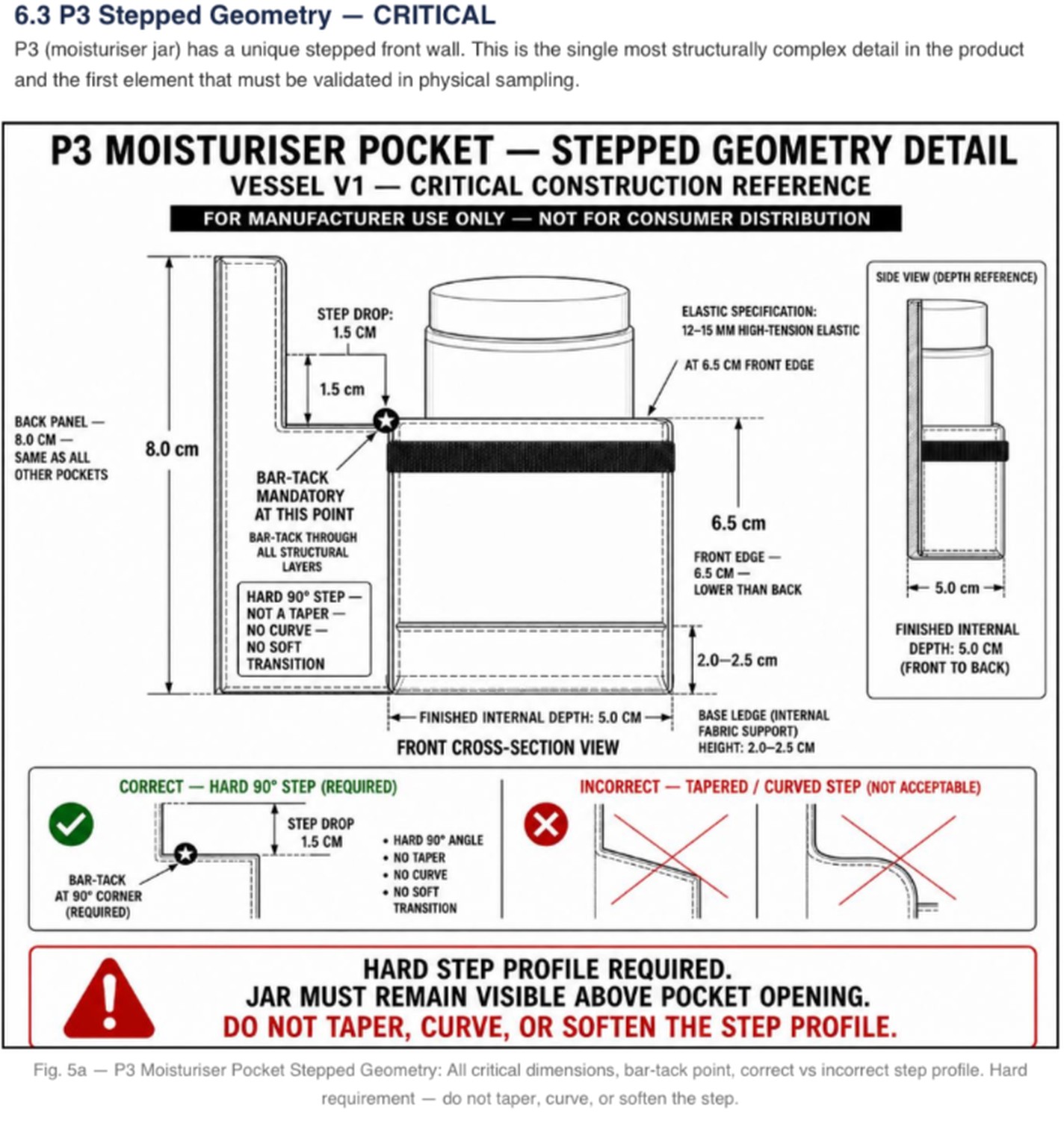
Specification excerpt · P3 jar pocket, step and ledge
- V1
Bag specified first, containers assumed to fit
- V20
Containers locked before pockets, sequence reversed
- V40
Stabiliser board enclosed between layers, no exterior stitching
- V70+
Version 7.0 released to factory under NDA
Round 1 specified the bag first and assumed containers would fit. That is backwards. Containers determine pocket dimensions; pocket dimensions determine the bag. The rule now sits at the top of the process: containers first, pockets second, bag third — and no round-two brief goes out until the container specs are locked.
Finding the people who could make it.
No manufacturing contacts, no introductions. This is how the relationship was built from a cold start.
- Source→
- Qualify→
- Assess→
- Compare→
- Select→
- Brief
“Flag honestly. A manufacturer who raises real questions is more valuable than one who agrees to everything without scrutiny.”
- Nothing agreed verbally. Every instruction, correction and approval written and versioned.
- No material or dimension substituted without written approval, stated before the first sample.
- No correction sent to a factory until it is measured. Suspicion is not evidence.
- The second manufacturer was opened before the first one caused a problem, and timed around their designer's return rather than my convenience.
Then the box arrived.
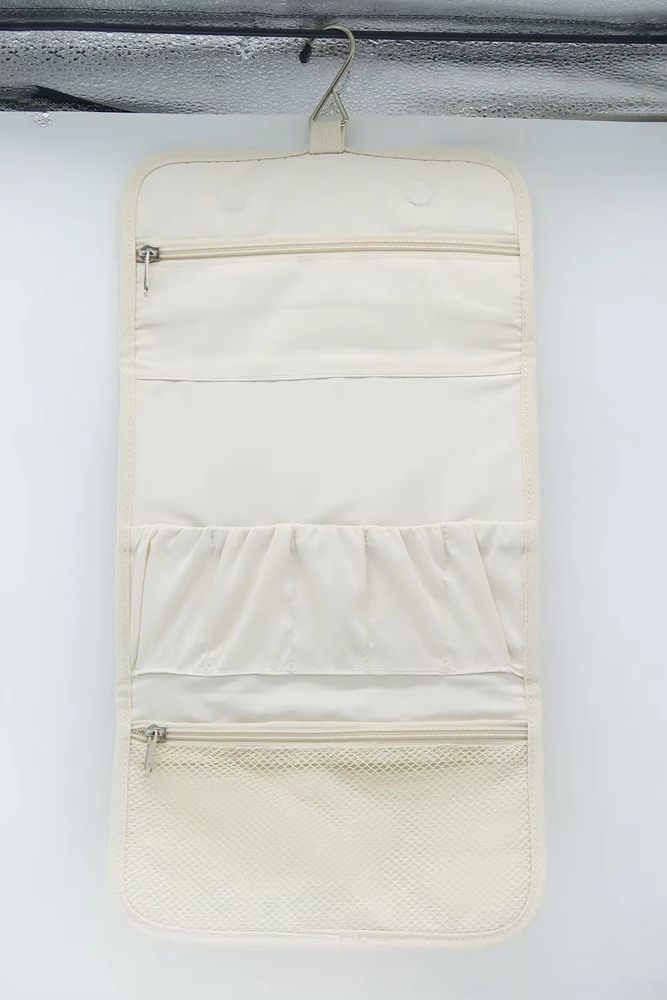
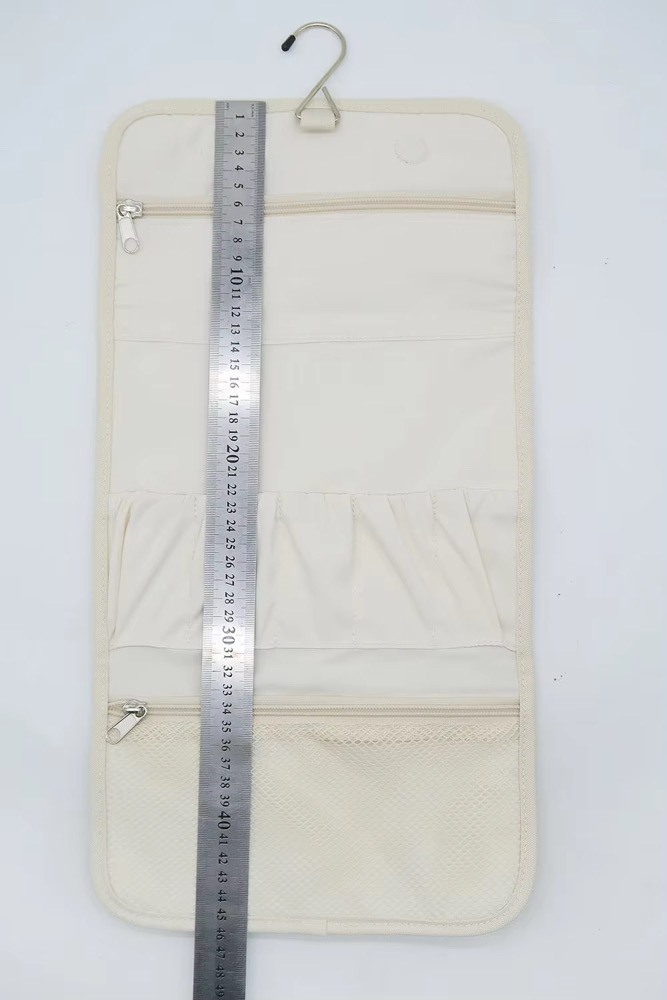
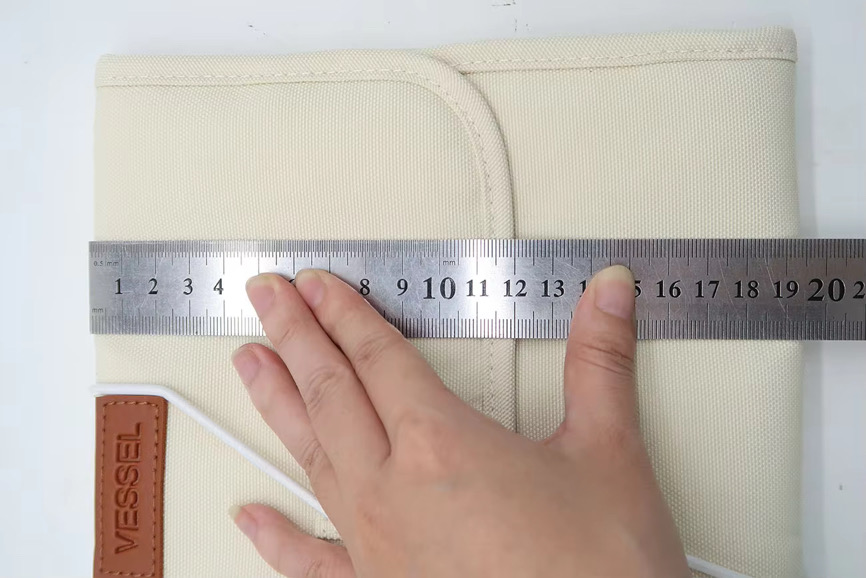
- Every pocket within ±1 mm
- Board enclosed between fabric layers
- P3 width 4.8 cm, ledge 2.0–2.5 cm
- Measured pockets outside the locked tolerance
- Construction not matching the specified layer stack
- Deviation recorded with calipers, not estimated
- Inspection→
- Manufacturing non-conformance identified→
- Tolerance methodology improved
The specification was locked and correct. The sample was measured against it rather than judged against it, and the deviation was manufacturing non-conformance — a separate event from the earlier sequencing lesson.
The improvement on my side was to the method, not the design: the next revision distinguishes far more clearly between dimensions that are critical to function and dimensions where normal manufacturing variation can be accommodated without affecting product performance.
The point of the exercise was not fault. It was making the next sample easier to get right.
Decisions I reversed.
The useful part is not the decisions that held.
Eleven components re-benchmarked individually against quotes.
Rebuilt on the corrected cost, the larger run stopped making sense.
The original figure was a hope with a percentage sign on it.
Four cheaper competitors also hang. That is a price fight, not a position.
The model did not support the stronger claim in year one.
No correction goes to a manufacturer, and no figure goes into a document, until it is measured.
What is actually left from AUD $149.
Planning figures. VESSEL has not launched and has no customer sales. Landed COGS benchmarked against manufacturer catalogues May 2026, with the bag line confirmed by supplier quote at USD $3.92.
The correction that cost 16 points of margin.
Landed cost assumed at $28, shipping subsidised at $8
Landed cost $53, shipping at real Australia Post rates
Every downstream document was rebuilt on the corrected figure rather than the flattering one: pricing scenarios, CAC ceiling, break-even and the first production run. Both changes made the story less impressive. Neither was optional.
V1 changed, then it grew.
Hygiene pouch
IN MANUFACTURINGResearch signal to physical component. Now in manufacturing alongside the first bag sample.
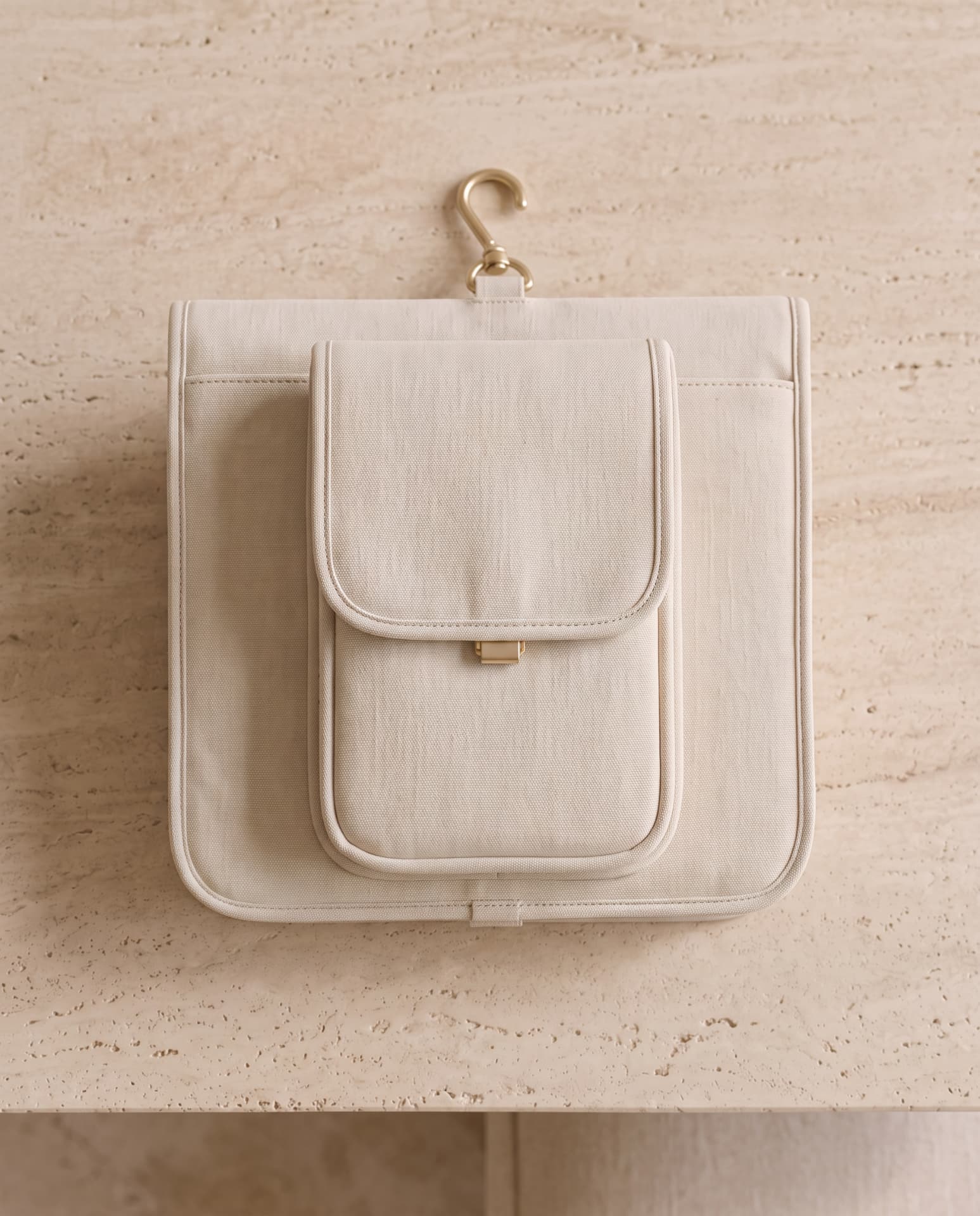
Pouch attached
IN MANUFACTURINGThe pouch carries on the face of the closed bag, so hygiene items travel with the case without sharing a compartment with decanted skincare.
V2 — Beauty wall
CONCEPTA second architecture for a different use case: laid out flat and vertical, for someone whose routine does not fit in five pockets.
Ninety days, three gates.
- Waitlist above target before any production commitment
- Hook language tested before the landing page is written
- Sample passes every quality gate before anyone is paid
- Container fit confirmed on the production jar, not a proxy
- Conversion at or above 20%
- Feedback specific enough to change V2
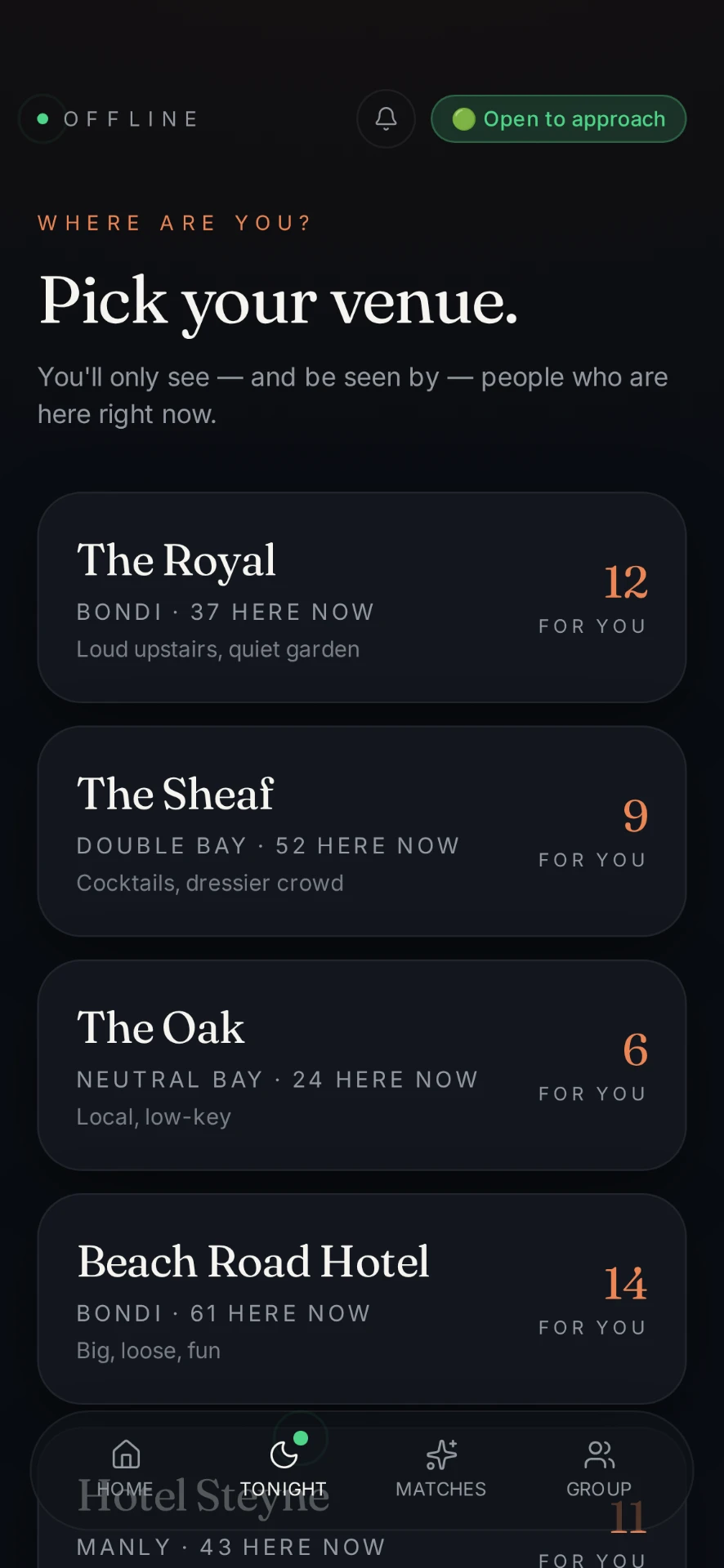
A marketplace for real-world social connection built around people who are already in the same place.
- Venue check-in→
- Temporary visibility→
- Mutual intent→
- Permission signal→
- Meet
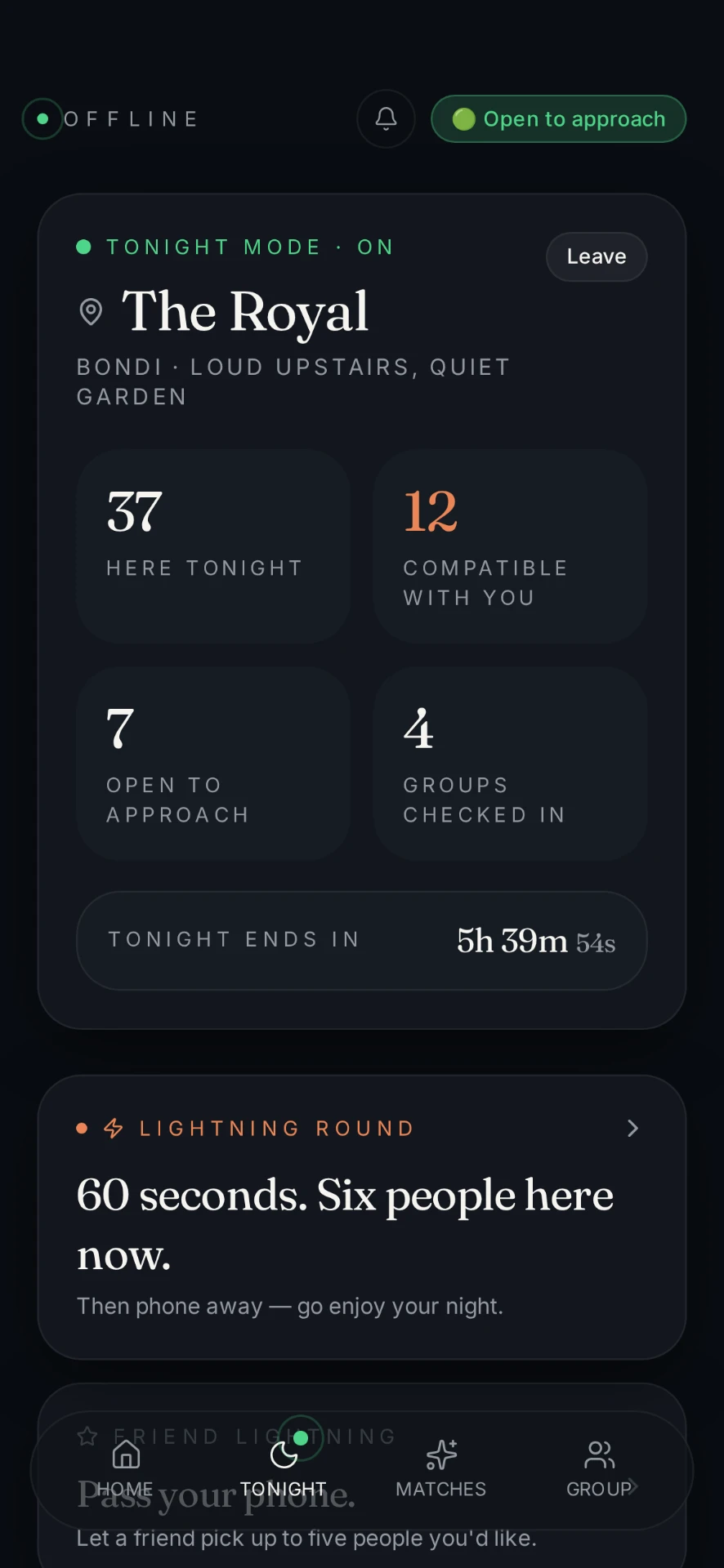
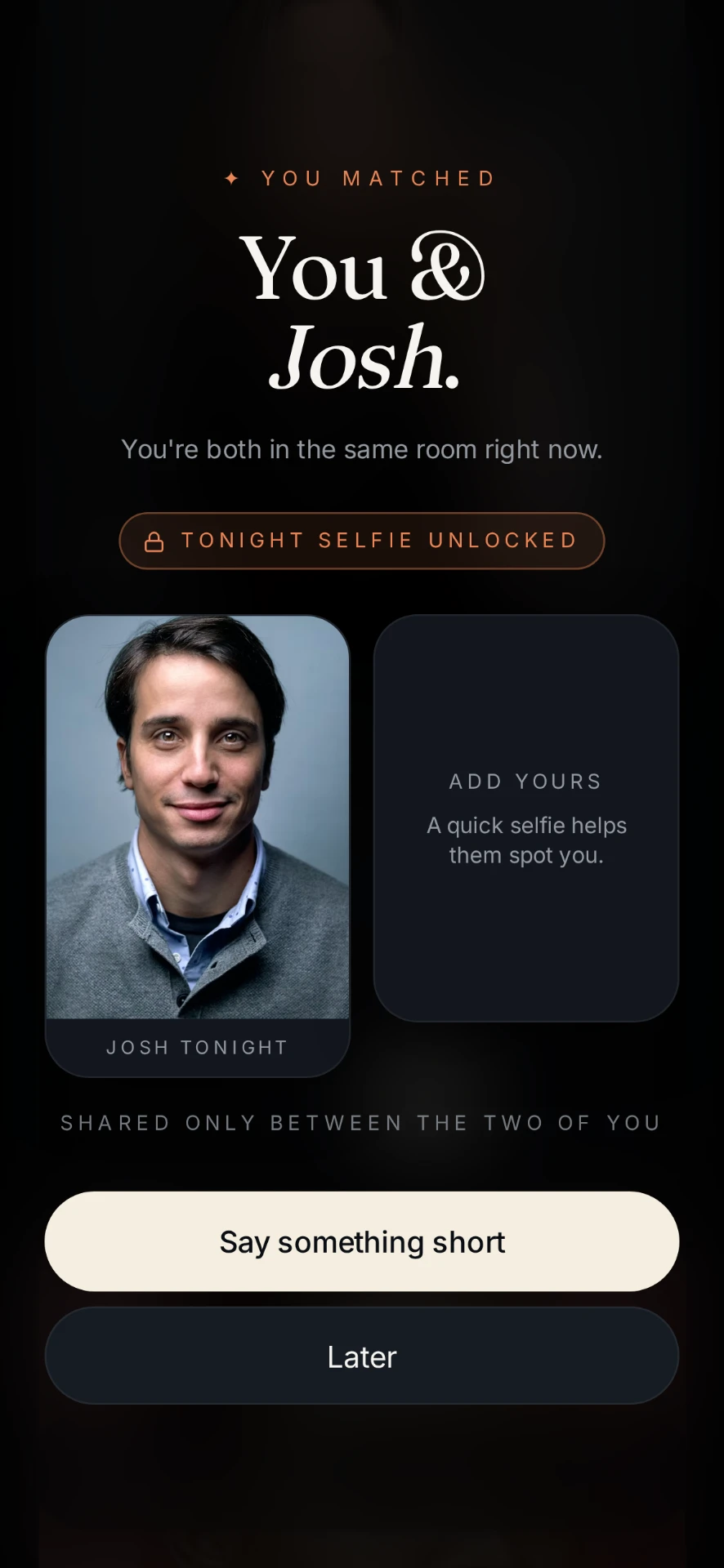
A marketplace is useless to the first person who arrives.
All three have to be true at once. Miss one and the product is an empty room with good design.
Concentrate a small number of people in one venue and one window rather than acquiring many people everywhere.
The venue and the early arrivals carry the cost of being first, so they are the ones worth paying.
Reputation attached to a place someone physically walked into.
Contact only after both sides opt in. Nothing is broadcast to a stranger.
Useful conversations disappear surprisingly quickly.
- Spoken conversation→
- Transcription→
- Structured output
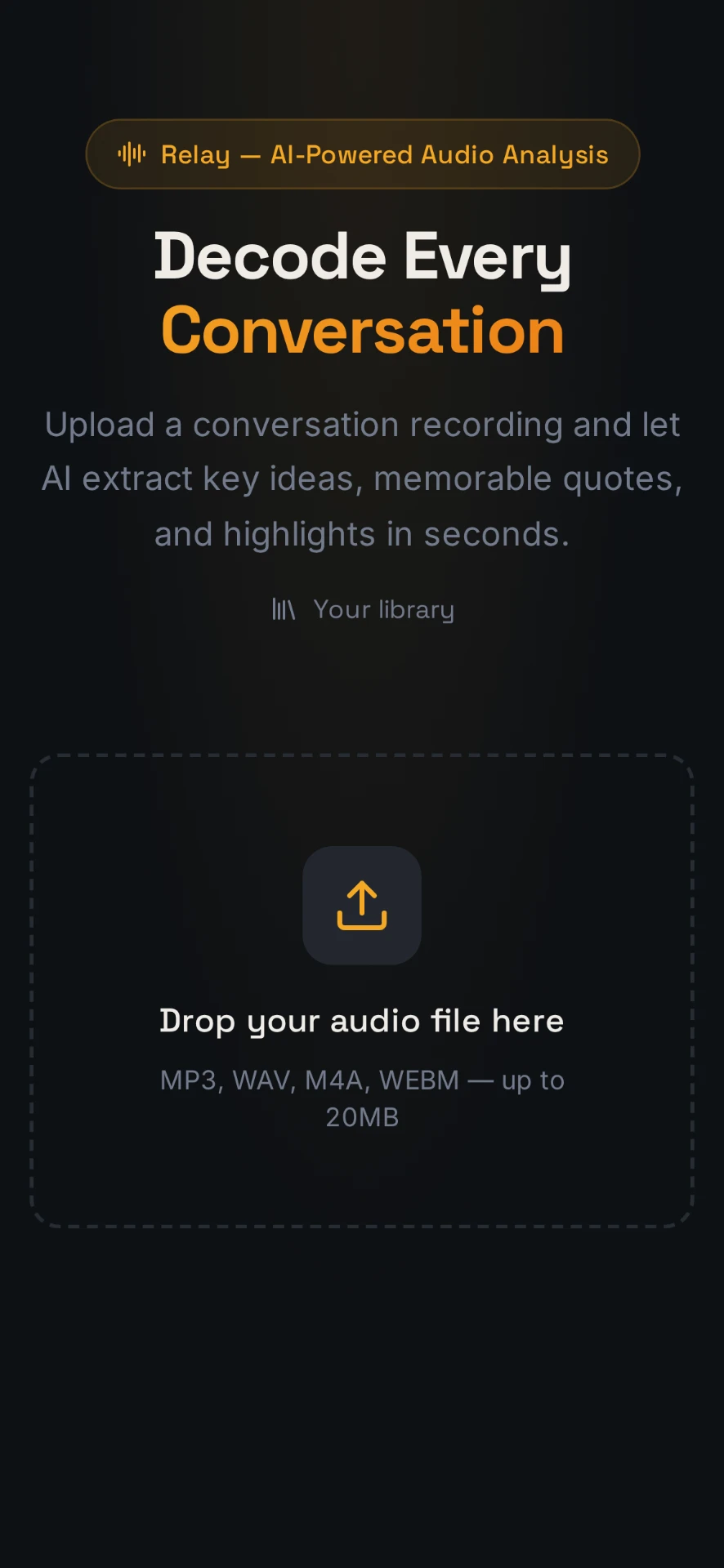
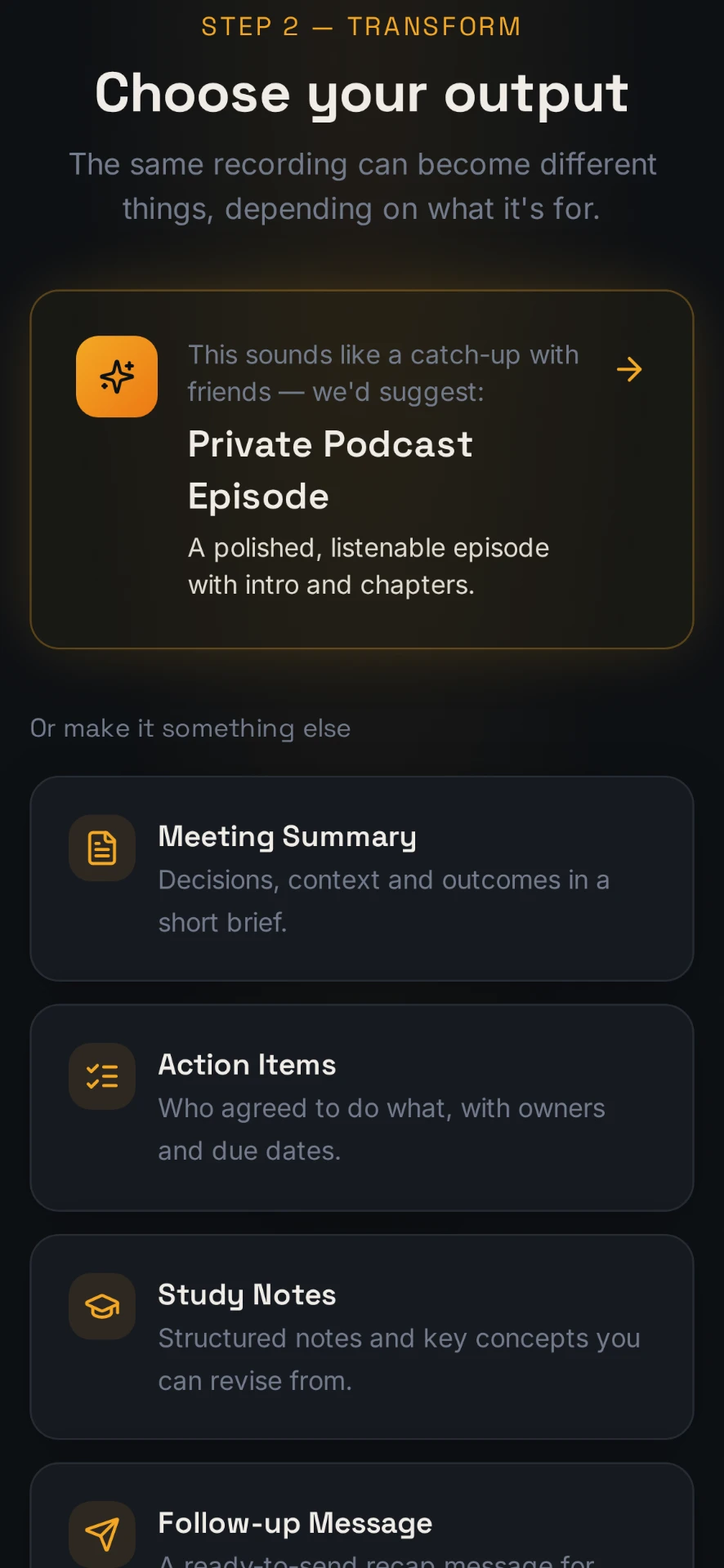
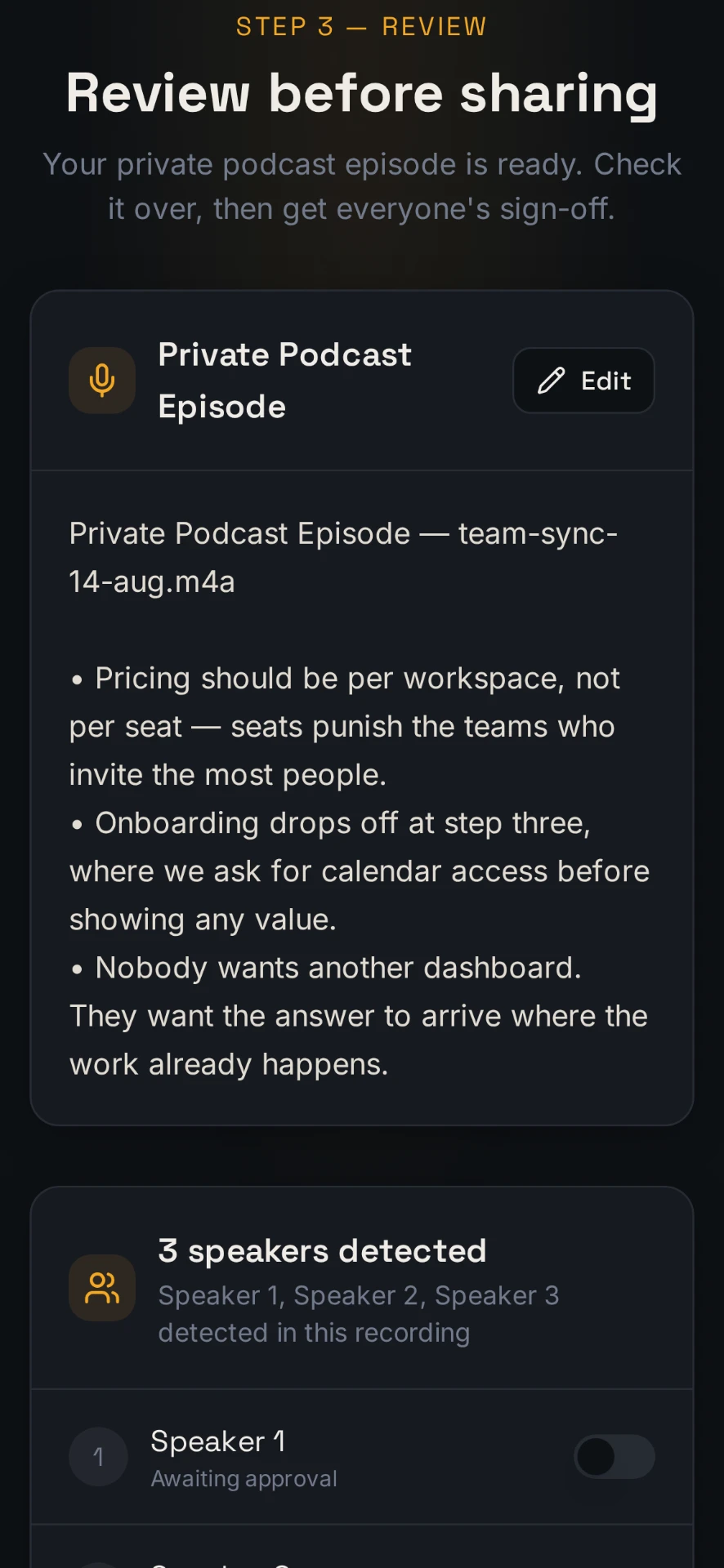
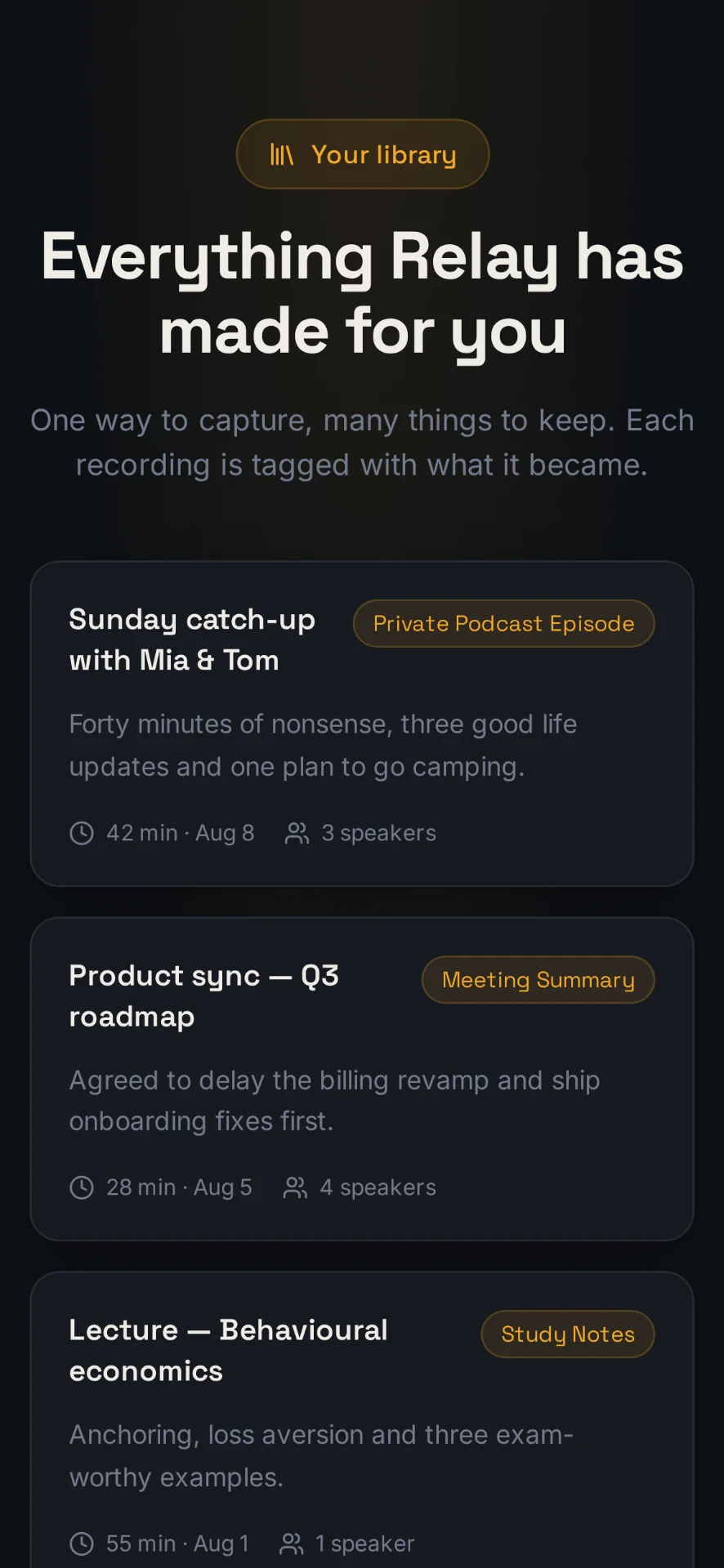
- Summary
- Actions
- Study notes
- Searchable knowledge
AI shortens the distance between not knowing something and being able to test it.
Tolerance language, supplier screening, margin modelling, building software — none of it was something I already knew. Each one got learned because a decision was waiting on it. AI meant I could read more, model more and stand more prototypes up. It doesn't tell me whether the answer is any good.
Three different products. The same starting point.
Notice something people have accepted as normal. Understand why. Build the thing that should exist instead.
Open to product, partnerships, customer insight and early-stage roles. Sydney-based.